
Medical weight-loss treatment is evolving quickly. While FDA-approved medications such as semaglutide and tirzepatide have already transformed obesity care, several promising new weight-loss medications in clinical trials may offer even more options in the coming years.
Researchers are studying medications designed to support greater weight loss, improve blood sugar and metabolic health, offer oral alternatives to injections, and help preserve lean muscle during weight loss. Although these treatments are not yet available for routine prescribing, early clinical-trial results are encouraging.
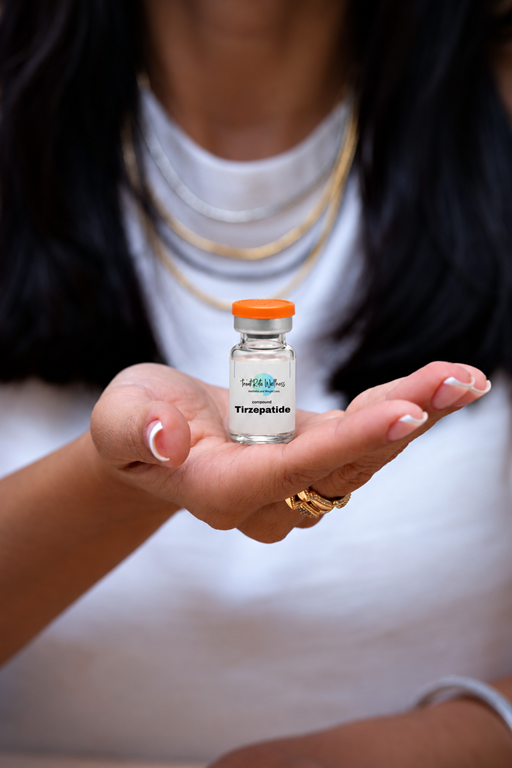
At TreatRite Wellness in Scottsdale, Arizona, we provide individualized medical weight-management care using currently available treatment options while staying informed about advances in obesity medicine.
– Several next-generation weight-loss medications are now in phase 2 or phase 3 clinical trials.
– Promising treatments include retatrutide, CagriSema, orforglipron, amycretin, and survodutide.
– Some investigational medications have demonstrated average weight loss greater than 20% in clinical studies.
– FDA approval is not guaranteed; approval timing depends on completed trials, safety data, manufacturer submission, and FDA review.
– Current FDA-approved treatments remain effective options for eligible patients today.
How New Weight-Loss Medications Work
Many future obesity medications build on the success of GLP-1-based treatment. GLP-1 is a hormone that helps regulate hunger, fullness, digestion, and blood sugar.
Key Takeaways
Newer medications may work on more than one hormone pathway, including:
– GLP-1, which can reduce appetite and help patients feel full sooner
– GIP, which may complement GLP-1 effects on metabolism and blood sugar
– Glucagon, which may support energy use and fat metabolism
– Amylin, which may increase fullness and reduce food intake
By targeting multiple pathways, researchers hope to provide more effective and individualized treatment for obesity and weight-related health conditions.
Promising Weight-Loss Medications in Clinical Trials
| Medication | How It Works | What Early Research Suggests | Possible FDA Approval Timing* |
|---|---|---|---|
| Retatrutide | Triple agonist targeting GLP-1, GIP, and glucagon receptors | Phase 2 data showed substantial weight loss, with higher doses producing average weight loss greater than 20% at 48 weeks. | Possibly 2028 or later |
| CagriSema | Combination of semaglutide and cagrilintide, an amylin analog | Phase 3 studies have shown meaningful weight loss and are evaluating long-term effectiveness and safety. | Possibly 2027 or later |
| Orforglipron | Once-daily oral GLP-1 medication | Studies suggest meaningful weight loss with a daily pill, offering a potential non-injection option. | Possibly 2027 or later |
| Amycretin | GLP-1 and amylin-based treatment | Early research is promising, with injectable and oral formulations under development. | Possibly 2028 or later |
| Survodutide | Dual GLP-1 and glucagon receptor agonist | Being studied for weight loss and metabolic liver disease. | Possibly 2028 or later |
*These are estimates, not guarantees. A medication cannot become available until clinical trials are complete, the manufacturer submits an application, and the FDA determines that its benefits outweigh its risks.
Retatrutide: A Potential Triple-Action Weight-Loss Medication
Retatrutide is one of the most anticipated investigational weight-loss medications. It is a once-weekly injection designed to target three hormone receptors: GLP-1, GIP, and glucagon.
This three-part approach may help reduce hunger, improve fullness, and influence how the body uses energy. In phase 2 research, retatrutide produced some of the largest weight-loss results seen to date with medication. Phase 3 studies are now evaluating its effectiveness and safety in larger groups of patients, including people with obesity, type 2 diabetes, sleep apnea, osteoarthritis, and cardiovascular disease.
Retatrutide is not FDA approved and is currently available only through clinical research. If phase 3 results are favorable, a possible FDA approval timeline may be 2028 or later.
CagriSema: Combining Semaglutide With an Amylin Analog
CagriSema combines semaglutide with cagrilintide, an amylin analog. Amylin is a hormone that helps support fullness after eating and may work alongside GLP-1 therapy to improve appetite regulation.
The goal of this combination is to provide greater weight loss than semaglutide alone. Ongoing phase 3 studies are evaluating long-term benefits, side effects, and how CagriSema compares with other obesity medications.
CagriSema may be among the earlier next-generation injectable treatments to reach FDA review. If development and review proceed successfully, it could potentially be considered for FDA approval in 2027 or later.
Orforglipron: A Daily Weight-Loss Pill in Development
For patients who prefer not to use injections, orforglipron is an important medication to watch. It is an investigational oral GLP-1 medication taken as a daily pill.
Early studies have shown clinically meaningful weight loss and improvements in metabolic measures. While an oral medication may not be the best choice for every patient, it could expand access and offer a more convenient option for people who prefer a pill over weekly injections.
Orforglipron remains investigational. If later-stage trial results and FDA review are favorable, it may become available in 2027 or later.
New Research on Muscle Preservation During Weight Loss
The quality of weight loss matters. Losing body fat while maintaining strength and lean muscle mass is an important goal, especially for older adults and patients with lower muscle reserve.
Researchers are studying medications such as bimagrumab, trevogrumab, and garetosmab in combination with GLP-1-based therapies. These treatments are being evaluated for their potential to help preserve or improve lean muscle mass during weight loss.
This research is still early, and approval timelines are uncertain. In the meantime, adequate protein intake, resistance training, physical activity, and clinical monitoring remain important components of a comprehensive medical weight-loss plan.
When Will These New Weight-Loss Medications Be FDA Approved?
FDA approval timing is difficult to predict. Before a new medication can be approved for chronic weight management, it must complete rigorous clinical testing that evaluates:
– The amount of weight loss achieved compared with placebo or another treatment
– Common side effects and treatment discontinuation rates
– Serious and long-term safety concerns
– Effects on obesity-related conditions, such as type 2 diabetes, high blood pressure, sleep apnea, and metabolic liver disease
– Manufacturing quality and consistency
A promising phase 2 or phase 3 result does not guarantee FDA approval. Larger studies can identify new side effects, dosing challenges, or limitations that influence whether and when a medication reaches the market.
What Are the Best Weight-Loss Treatment Options Available Today?
Although future weight-loss medications are exciting, patients do not need to wait for investigational treatments to begin addressing their health goals. Current FDA-approved medical weight-loss options can be highly effective when they are selected based on individual health history, goals, medication tolerance, and access.
A comprehensive plan may include:
– A personalized nutrition strategy
– Physical activity and resistance training
– Adequate protein and hydration
– Sleep and stress-management support
– FDA-approved weight-management medication when appropriate
– Ongoing monitoring and dose adjustments
Medical weight management is not about pursuing a number on the scale alone. The goal is improved health, function, energy, confidence, and long-term sustainability.
Explore promising future weight-loss medications in clinical trials, including retatrutide, CagriSema, oral GLP-1 medications, and treatments designed to support lean muscle mass. Learn about potential FDA approval timelines and medical weight-loss options in Scottsdale, AZ.
Schedule a Medical Weight-Loss Consultation in Scottsdale, AZ
Interested in learning whether a current medical weight-loss treatment may be appropriate for you? TreatRite Wellness offers individualized consultations to discuss your health history, weight-management goals, lifestyle, and available treatment options.
Schedule your consultation with TreatRite Wellness today.
Call: 480-514-7979
Location: 6424 E. Greenway Parkway, Suite 100-453, Scottsdale, AZ 85254
Appointment Request: https://calendly.com/
Treatment recommendations are individualized. Investigational medications discussed in this article are not FDA approved for routine weight management unless and until the FDA approves them.